
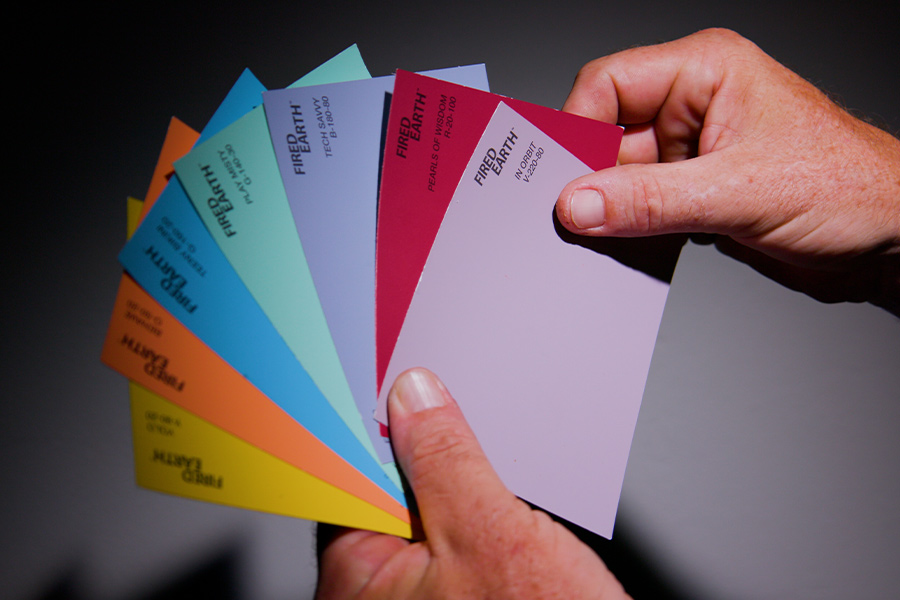
From the first morning light to the warm glow of evening lamps, the same wall can look completely different. Knowing how light affects indoor paint colour can make all the difference when planning your next room refresh.
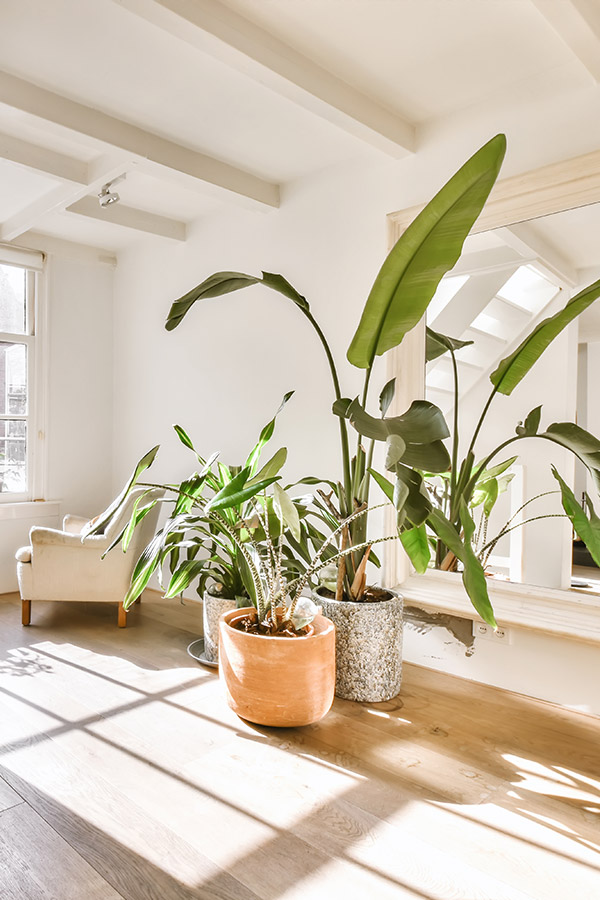
How Natural Light Shapes Indoor Paint Colours
One of the biggest influences on your indoor paint is the direction your room faces, as the sun’s path creates very specific moods in each space:
- North-facing rooms receive steady, bright sunlight through most of the day. This warmth can make colours appear stronger, so cooler shades like soft blues, greys and gentle greens help keep the space balanced.
- South-facing rooms get softer, more indirect light. Colours can appear slightly deeper or cooler here, so warmer tones like creamy whites, soft yellows and warm greys help make the room feel more inviting.
- East-facing rooms enjoy that crisp morning glow but become cooler and more shadowy by the afternoon. Versatile shades like soft greens, warm neutrals and light earthy tones work best with these changing conditions.
- West-facing rooms receive intense sunlight later in the day. This golden light deepens colours, so softer, muted tones help keep the look balanced.
Artificial Lighting and Colour Perception
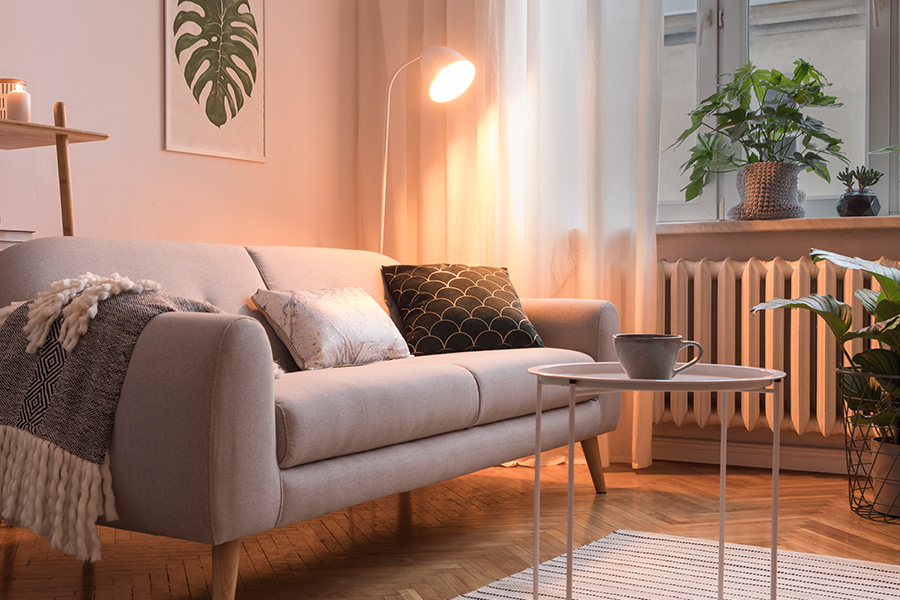
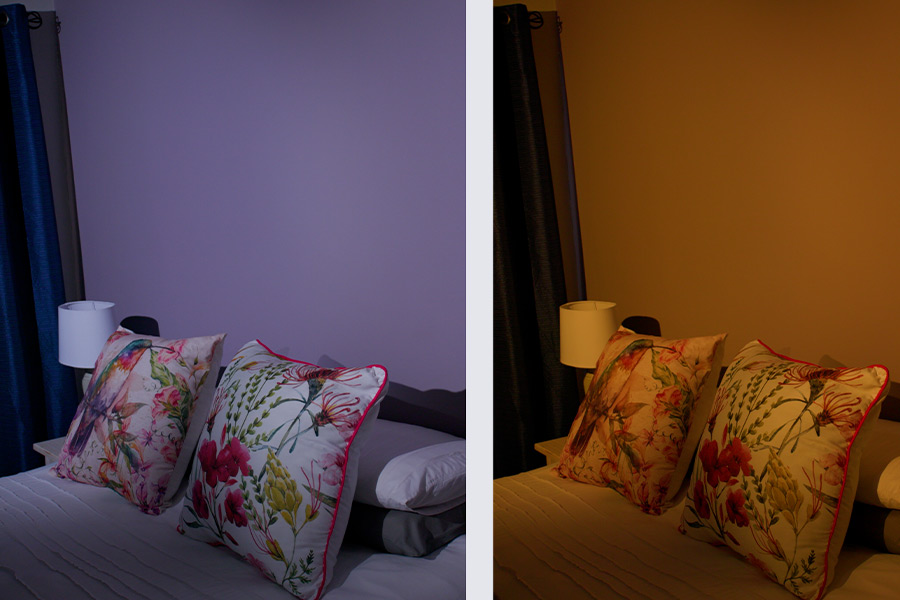
Once the sun sets, artificial lighting takes over. Indoor spaces allow you to manipulate colour through fixed and portable lighting. The type of bulbs you use and how you layer your light all make a difference to the final look.
- Traditional incandescent and warm LED bulbs give off a yellowish glow. This enhances reds, oranges and earthy tones, making them feel richer and more inviting. This is perfect for creating a cosy, welcoming space.
- Cool white or daylight LED bulbs have a bluish tint. This keeps colours closer to how they appear in natural light and makes blues, greens and neutrals feel crisp and fresh.
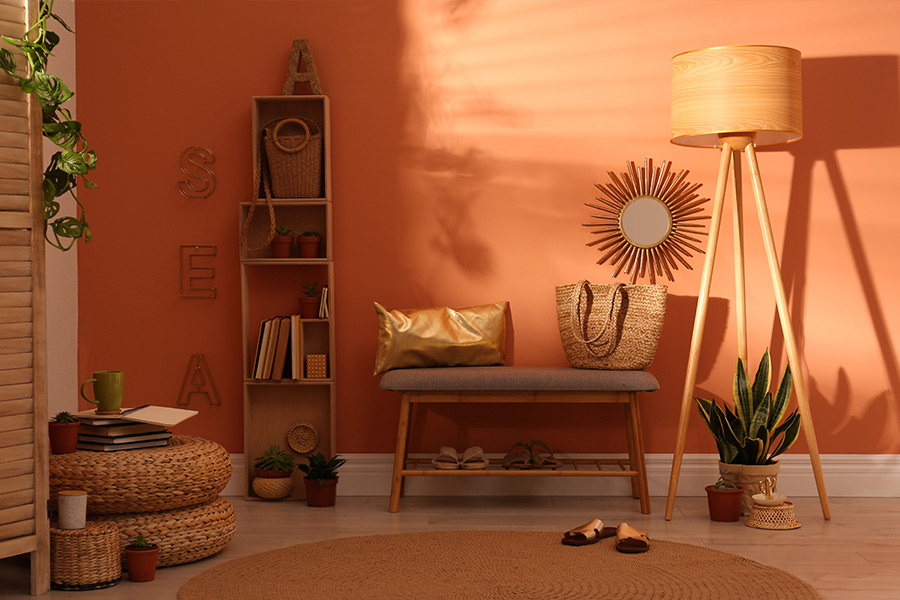
To reveal the true character of your paint, think about layering your lighting. Ambient lighting from ceiling fixtures provides overall brightness, while task lamps highlight specific areas and create contrast between the light and the room’s softer shadows. Finally, accent lighting from bedside or floor lamps adds depth, showing how a warm evening glow can pull out entirely different tones in your paint.
Pro Tip: Remember that your flooring, furniture and curtains reflect colour too. Even your ceiling, the ‘fifth wall’, acts as a giant reflector. Paint a large sample on a board and move it around the room. Seeing how your chosen shade handles the morning, midday and evening light will reveal its full personality.
Preparation for a Professional Finish
Before you start painting, preparation is key. Ensure your surfaces are clean, dry and primed if you are working on fresh plaster. If you are switching from a dark to a light colour, paint a coat of white first to prevent the old shade from bleeding through. Mix your paint thoroughly to ensure even pigment distribution; a mechanical mixer is best for this. Use a quality roller for the walls, a brush for the edges and apply at least two coats for a polished finish.
If you need a specific shade, both the Fired Earth Whispers and Ultimate Coat Interior ranges can be custom-tinted using the in-store Builders paint mixing service. Both paint ranges are high-quality, water-based and low-odour pure acrylics that offer excellent durability for your interior walls.
By understanding how light interacts with your paint and with proper preparation, you will create a room that looks as stunning at sunset as it does at sunrise.
Shop in-store or online at builders.co.za
From a range of Fired Earth indoor paints and accessories, to the right bulbs and lighting, Builders has everything you need for your next room refresh.

Browse 1000’s of products available to you. Select your country to Shop Online.